
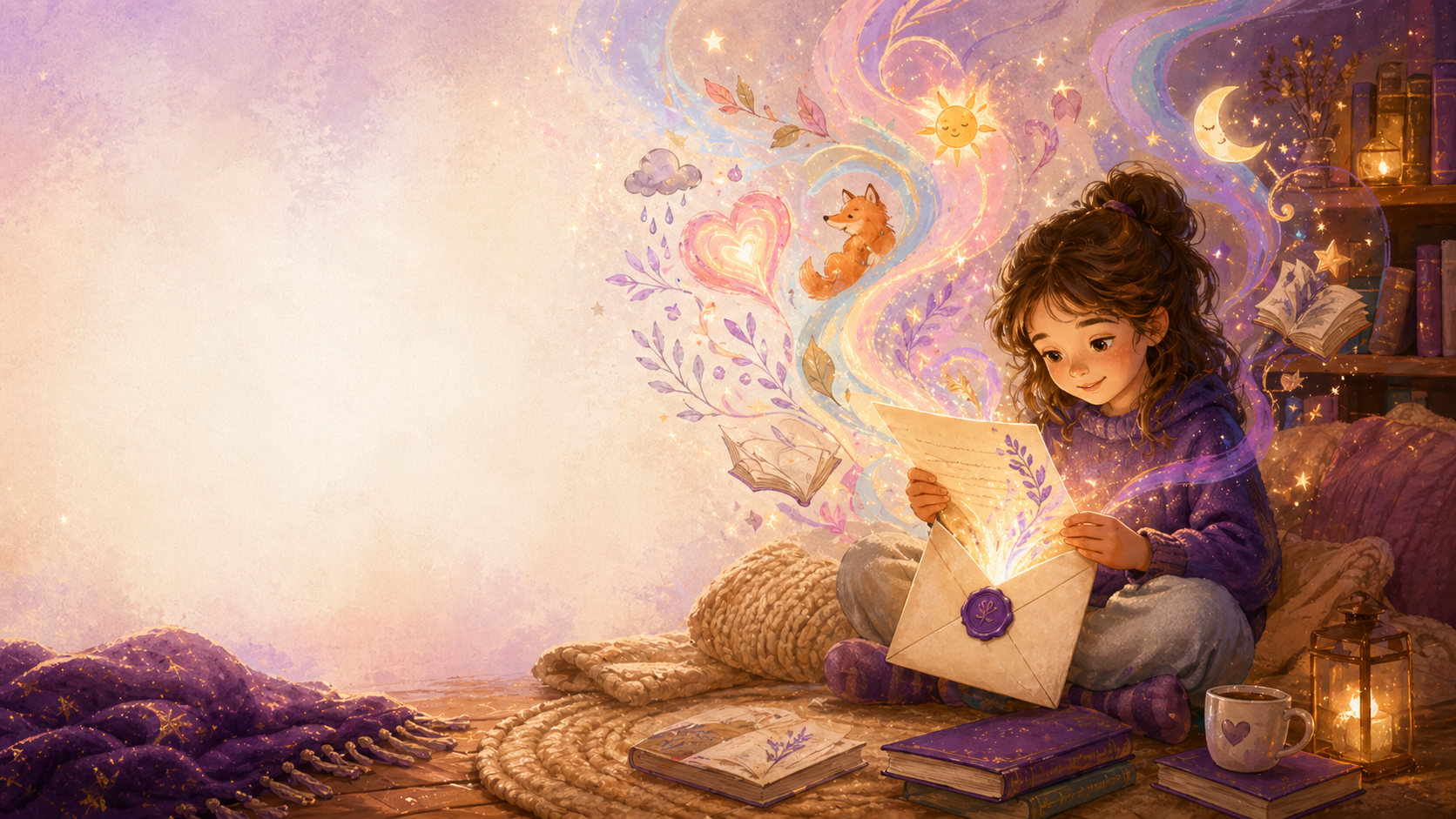
Why Big Feelings Can Feel So Overwhelming for Children
Children feel deeply. Sometimes beautifully. Sometimes loudly. Sometimes in the middle of a supermarket aisle while everyone pretends not to look.
Big feelings are a normal part of childhood, but they can be confusing. Anger, sadness, worry, jealousy, fear, excitement, frustration, and disappointment can all feel enormous when a child does not yet have the words to explain what is happening inside them.
That is where stories can help.
Stories about emotions for children give young readers a safe and gentle way to explore feelings. Through characters, adventures, and familiar situations, children can begin to recognise emotions, understand them, and learn that big feelings are not something to be ashamed of.
They are something to notice, name, and work through.
Stories Give Children the Words They Need
One of the hardest parts of big feelings is not knowing how to describe them.
A child might say they feel “bad” when they actually feel worried. They might say they are “angry” when underneath they feel embarrassed, tired, left out, or unsure.
Big feelings stories can help children build an emotional vocabulary. When a character feels nervous before trying something new, misses someone they love, feels cross with a friend, or worries about making a mistake, children begin to connect those story moments with their own experiences.
They start to think, “I have felt like that too.”
That moment matters.
It helps children understand that feelings have names. And once a feeling has a name, it becomes a little less frightening.
Big Feelings Stories Help Children Feel Less Alone
Children often believe they are the only ones who feel a certain way. They may think nobody else gets scared at bedtime, feels shy at school, gets jealous of a sibling, or feels overwhelmed by change.
Stories gently prove otherwise.
When children read about a character experiencing the same emotions, they feel seen. A story can quietly say, “You are not the only one.”
That reassurance can be incredibly comforting.
Big feelings stories are especially helpful because they do not lecture. They do not sit the child down for a serious adult talk, complete with sensible eyebrows and far too much explaining. Instead, they invite the child into a story where emotions can be explored naturally.
The child learns through connection, not pressure.
Stories Create a Safe Space to Talk
Talking directly about feelings can be difficult for children. Some children shut down. Some change the subject. Some declare they are “fine” with the dramatic energy of a tiny Victorian ghost.
Stories make emotional conversations easier.
Instead of asking, “Why are you upset?” an adult might ask, “Do you think the character felt worried there?” or “What do you think helped them feel better?”
This gives the child a little distance. They can talk about the character first, which often makes it easier to talk about themselves later.
Stories about emotions for children create a gentle bridge between the inner world and the outside world. They help children share what they feel without feeling exposed.
Emotional Stories Can Build Confidence
Understanding emotions is a key part of growing confidence.
When children learn that feelings come and go, they begin to feel safer inside themselves. They learn that sadness will not last forever. Anger can be managed. Worry can be talked about. Mistakes can be survived. Disappointment does not mean everything is ruined forever, even if the biscuit broke in half and civilisation briefly collapsed.
Big feelings stories can show children simple ways to cope, such as:
Taking a deep breath.
Talking to someone they trust.
Asking for help.
Trying again.
Resting when overwhelmed.
Finding words for what they feel.
These ideas do not have to be taught in a stiff or serious way. They can be woven into magical adventures, animal characters, letters from kind companions, or stories where the child helps solve a problem.
That is the beauty of storytelling. It can teach without sounding like teaching.
Why Personalised Stories Can Be Even More Powerful
Personalised stories and letters can make emotional learning feel even more meaningful.
When a child receives a letter written especially for them, the story feels personal. It is not just about a character somewhere far away. It feels like a message, an invitation, or a quiet little hand reaching out.
For children dealing with big feelings, that can be powerful.
A personalised letter might help a child explore bravery, kindness, worry, friendship, confidence, or change. It can make the child feel included in the story, giving them a role to play and a gentle path to follow.
This is especially helpful for children who find it hard to talk about emotions directly. A story letter can open the door without forcing them through it.
Stories Help Children Understand Other People Too
Big feelings stories are not only useful for helping children understand themselves. They also help children understand others.
When children read about characters feeling lonely, nervous, excited, angry, or sad, they begin to practise empathy. They learn to wonder what someone else might be feeling and why.
This can support friendships, family relationships, and everyday kindness.
A child who understands emotions is more likely to recognise when a friend needs comfort, when someone feels left out, or when their own words may have hurt someone.
That is not just reading. That is emotional growth disguised as an adventure. Sneaky, but in the good way.
The Best Stories About Emotions Feel Gentle, Not Heavy
Children’s emotional stories do not need to be gloomy or overwhelming. In fact, the best stories about emotions for children often feel warm, hopeful, and safe.
They may include magical creatures, brave explorers, talking animals, mysterious letters, secret gardens, lost stars, or tiny quests with big meaning.
The emotion is there, but it is held inside a story that feels comforting.
A story about anxiety might become a tale about a little dragon afraid to fly.
A story about anger might follow a storm cloud learning how to rain gently.
A story about sadness might involve a moonlit fox helping someone find their way home.
When feelings are wrapped in imagination, children can explore them without feeling trapped by them.
How Legendary Letters Supports Children’s Emotional Journeys
At Legendary Letters, stories are designed to feel personal, magical, and meaningful.
Through our Heart & Mind Series, children can receive story-led letters that gently explore emotions, confidence, kindness, bravery, friendship, and resilience. Each letter is created to help children connect with stories in a screen-free, imaginative way.
Rather than turning feelings into a lesson, Legendary Letters turns them into an adventure.
Children might be invited to help a character solve a problem, complete a thoughtful activity, answer a question, or reflect on how a story made them feel.
This helps children understand big feelings while still enjoying the magic of reading.
Why Emotional Storytelling Matters
Childhood is full of firsts.
The first time a child feels left out.
The first time they are nervous about trying something new.
The first time they lose, fail, argue, miss someone, or feel unsure of themselves.
These moments matter.
Stories can help children face them with more confidence and less fear. They can show children that feelings are normal, that asking for help is brave, and that even difficult days can become part of a bigger story.
Big feelings do not make children difficult.
They make children human.
And stories can help them understand what that means.
Final Thoughts
Stories about emotions for children can do something truly special. They can help children name their feelings, talk about worries, understand others, and feel less alone.
Big feelings stories give children a safe place to explore the emotional ups and downs of growing up.
They do not need to be complicated. Sometimes, all it takes is a character who feels the same way. A gentle adventure. A kind message. A letter that arrives at just the right time.
Because when children understand their feelings, they begin to understand themselves.
And that is a story worth telling.
Suggested Call to Action
Help your child explore big feelings through magical, personalised storytelling.
Discover the Big Feelings Series from Legendary Letters and find gentle, screen-free stories designed to support confidence, kindness, and emotional understanding.